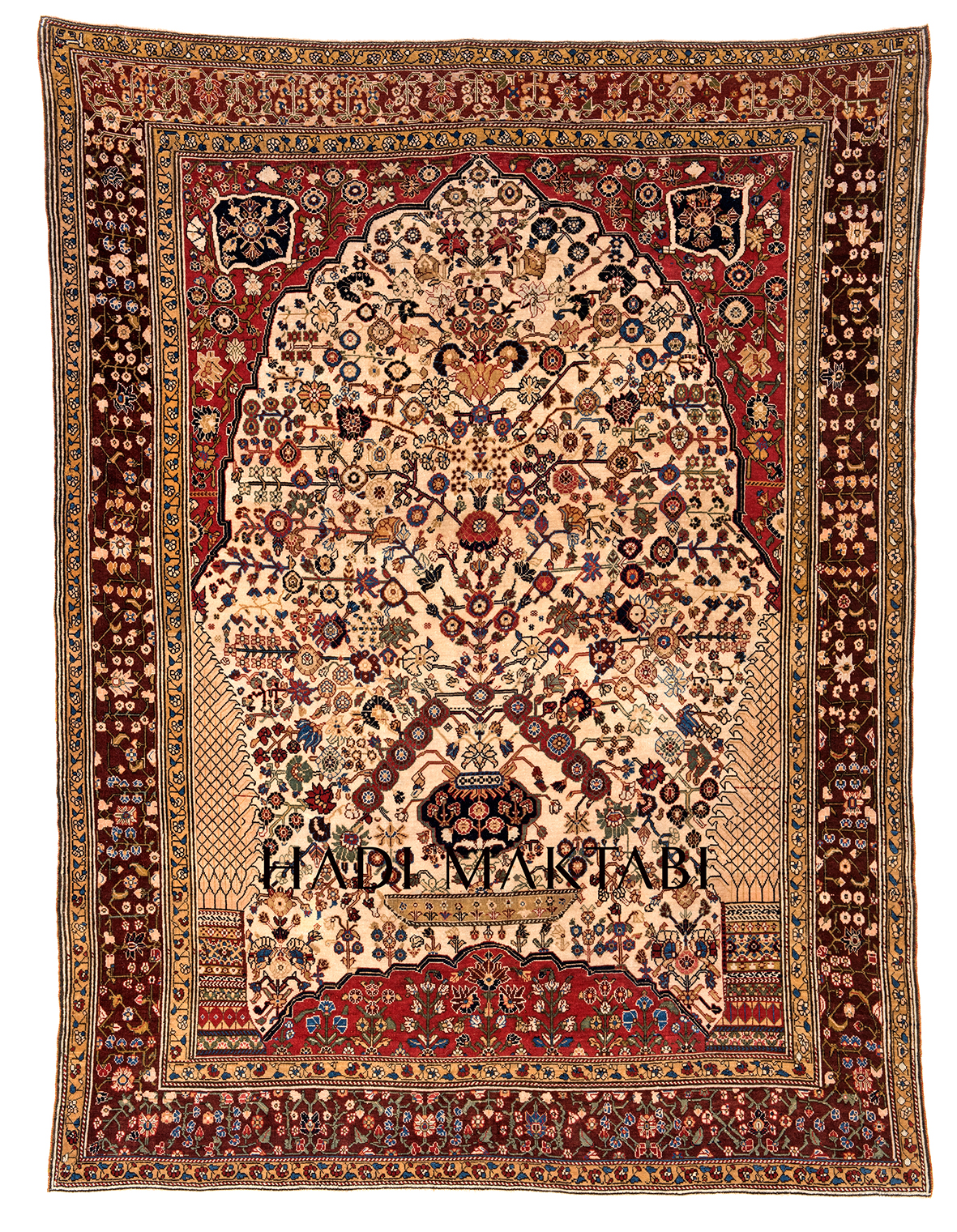
Number 926
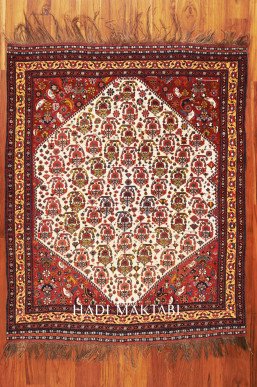
Style Prayer Rug
Material Wool & Silk
Origin Qashqai
Type Tribal
Size 208 x 157
Age 1870
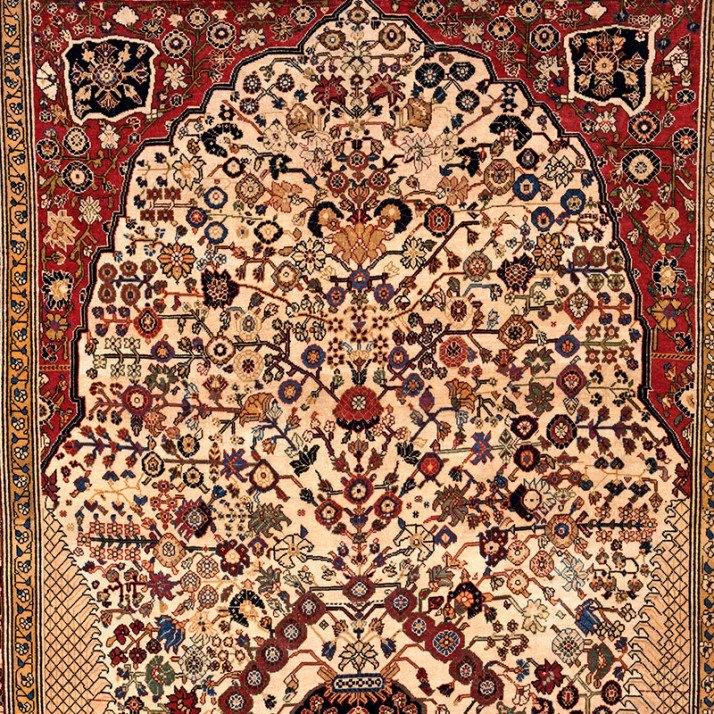
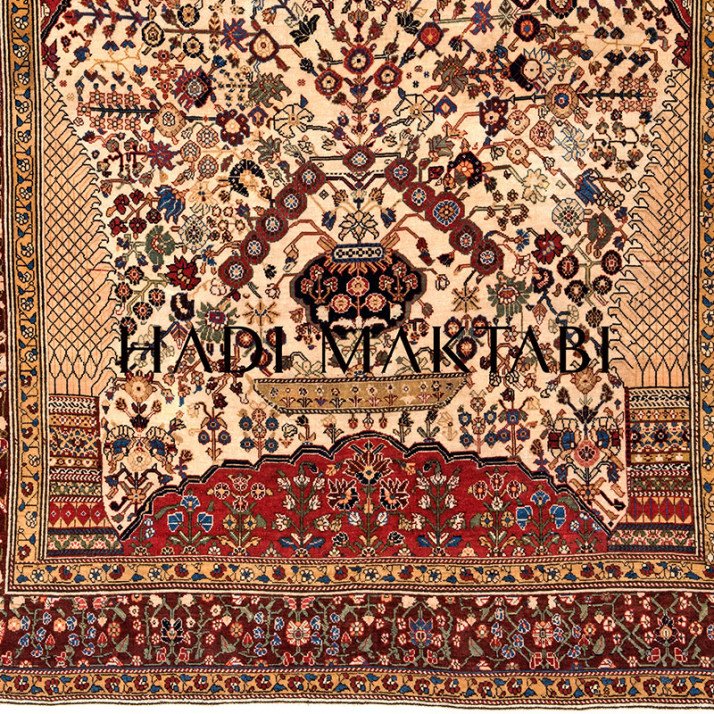
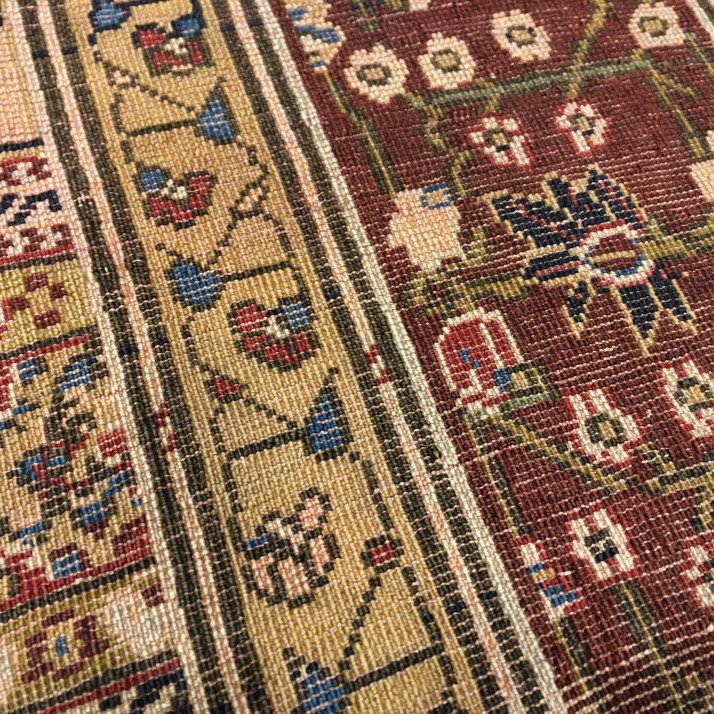
A stunning part silk masterpiece from the master weavers of the Kashkuli clan, dominant among the Qashqai tribe. In dazzlingly perfect condition, this carpet was made for a Khan of the clan. The Millefleurs design is among the most famous and legendary in carpet history. Originally developed in Kashmir in the 1600s it was carried over into Persia after Nader Shah's conquest of Mughal India in 1739. There it initially appears on the oldest Farahan rugs and then by the 1860s or 1870s it was adopted by the wealthiest Khans of the Qashqai (and the royal looms of Tehran). The finest materials were used in these Millefleurs Qashqai rugs, whose number is very limited. The ivory field and relatively excessive width are both outstanding features among even the small number of silk wefted Kashkulis. A collectible gem.
I first met Dr. Maktabi as a lecturer on carpet history and was captivated by his passion for the subject. Only later I knew him as a dealer, though even in our financial transactions, Hadi has been a gentle guide and friend. He has understood my taste and interests and made wonderful suggestions, but never in a pushy way. That is to say I have enjoyed working with him on several levels and wish to continue our excellent relations and dealings far into the future. A. Harvey Pincis, formerly Dar Al Athar Al Islamiyyah Museum (Kuwait), Latvia 🇱🇻
“I practically furnished my entire home with carpets from Hadi. The process was not only a joy but it was also a learning experience for me. Hadi was super helpful in identifying the right pieces for my home that would both work with my taste, budget, sizes required and that would be a good investment for my family. Hadi’s collection is second to none, and his knowledge and service is truly the blessing on top.” Amr Banaja, Public Investment Fund, Riyadh, Saudi Arabia 🇸🇦
Acquiring a piece from my dear friend Hadi is truly a journey. We start that journey with a lesson and detailed background on any piece that is of interest. After a thorough discussion regarding the chosen piece or should I say marvel, since Hadi's pieces are truly marvels, Hadi guides us into why he would advise us to acquire it or go for another of his marvels that would suit us more than the one initially chosen. This sincere advice always makes us feel that we are generously taken care of by Hadi. The learning process and honesty in guidance make us go back only to Hadi whenever we are looking for our next beautiful piece for our homes. All I can say is thank you Hadi for your impeccable guidance and service. Abdullah Al-Awadhi, Kuwait 🇰🇼

 Email List
 Request Offer